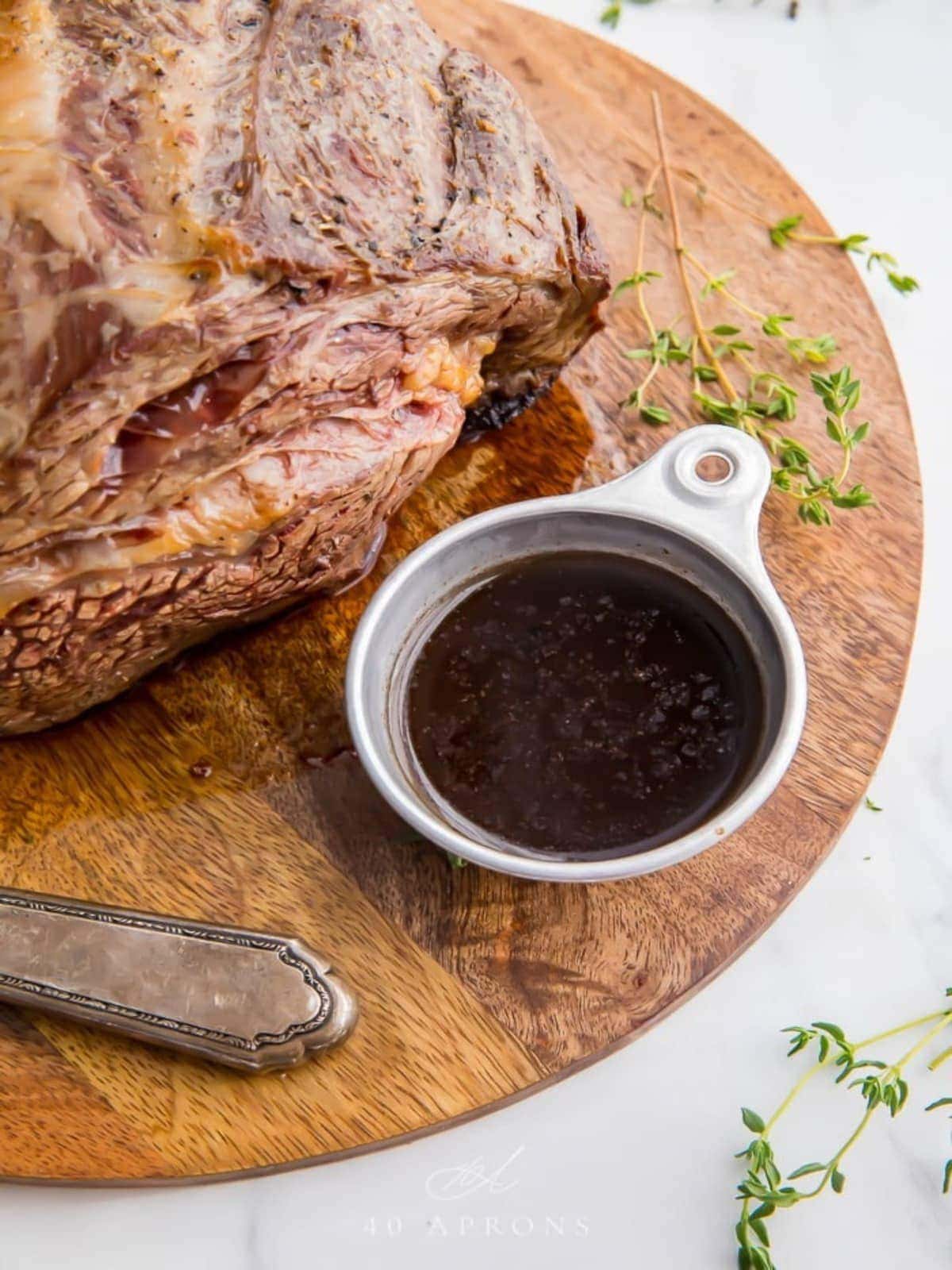
Au Jus vs. Gravy: Master the Ultimate Sauce for French Dips
For many culinary enthusiasts, the difference between au jus and gravy can seem like a subtle nuance, yet it’s a distinction that defines the character of countless dishes, especially the beloved French Dip sandwich. If you’ve ever savored the rich, savory broth accompanying a perfectly roasted prime rib or dipped a crusty baguette into a warm, flavorful liquid, you’ve likely encountered au jus. This article will demystify au jus, highlight its differences from gravy, and show you how to master the art of making it, whether you have those precious meat drippings or not.
What Exactly is Au Jus? Decoding the "With Juice" Philosophy
The term "au jus" (pronounced "oh zhoo") hails from French, literally meaning "with juice." Historically, it referred to dishes served with the natural juices rendered from the cooking meat itself. Imagine a beautifully roasted chicken or beef, and the liquid pooling in the pan – that’s the essence of traditional au jus. It’s light, vibrant, and pure, reflecting the unadulterated flavor of the meat.
In its most authentic form, a simple jus was prepared by skimming excess fat from these pan drippings, then perhaps simmering them gently with a splash of water or stock to create a thin, intensely flavored liquid. There was no thickening agent, no heavy cream; just the pure, unadulterated essence of the meat.
However, the American culinary landscape has embraced and adapted au jus, often expanding its definition. While still lighter than gravy, many American-style au jus recipes incorporate additional ingredients like beef stock, red wine, Worcestershire sauce, and sometimes even aromatics like garlic and onions. These additions deepen the flavor profile, creating a more robust "French dip sauce" that’s both complex and satisfying. You might even find recipes where it’s slightly thickened – but still notably thinner than a traditional gravy – blurring the lines slightly between a classic jus and a light gravy.
It's also worth noting the common misspellings: "aus jus," "aujus," "au ju," or even "aju sauce." While endearing, these highlight the unfamiliarity with the French origin. Remember, it's simply "au jus."
The Heart of Au Jus: Drippings or No Drippings?
The cornerstone of an exceptional au jus often lies in the pan drippings from roasted meat. These browned bits and flavorful juices, rich in caramelized proteins and fats, are a treasure trove of umami. If you've ever roasted a prime rib, a beef tenderloin, or even a simple pot roast, those beautiful residues at the bottom of the pan are exactly what you want to save. They provide an unparalleled depth of flavor that is difficult to replicate entirely.
We highly recommend saving these precious drippings whenever you cook beef; they can be frozen for up to six months, ready to be transformed into a sublime au jus at a moment’s notice.
But what if you don't have drippings? Perhaps you’re craving a French Dip but didn’t roast a whole beef roast last night. This is where the versatility of a modern au jus recipe truly shines. You absolutely can
make rich au jus: quick & easy, even without meat drippings. The secret lies in building layers of flavor with quality ingredients:
* **High-Quality Beef Stock**: This is your foundation. Opt for low-sodium so you can control the seasoning.
* **Aromatics**: Sautéing finely minced shallots or garlic in butter or a neutral oil can create a fragrant base.
* **Umami Boosters**: Worcestershire sauce is a classic choice, offering savory depth. A splash of soy sauce can also provide a similar umami kick without making it taste distinctly Asian.
* **Acidity**: A touch of red wine vinegar or a dry red wine helps deglaze the pan (if you've sautéed aromatics) and brightens the overall flavor, preventing it from tasting flat.
* **Herbs and Spices**: A bay leaf, a sprig of thyme, or a pinch of black pepper can add subtle complexity.
With these ingredients, you can whip up a flavorful au jus in as little as 15 minutes, making it incredibly convenient for weeknight meals or spontaneous French Dip cravings. The ease of preparation and its freezer-friendly nature mean you can always have a batch on hand. For a recipe that’s both speedy and freezable, check out
Quick & Flavorful Au Jus: The 15-Minute Recipe You Can Freeze.
Au Jus vs. Gravy: Unraveling the Culinary Distinction
While both au jus and gravy serve as delicious accompaniments to meat, they are distinct in their preparation, consistency, and flavor profile. Understanding these differences is key to choosing the right sauce for your dish.
The Texture and Consistency Divide
The most significant difference lies in their consistency. Gravy is intentionally thickened, typically with a roux (a cooked mixture of fat and flour) or a cornstarch slurry, giving it a rich, often opaque, and spoon-coating texture. It’s designed to cling to mashed potatoes, coat slices of turkey, or enrich a pot roast.
Au jus, by contrast, is characterized by its light, thin, and often translucent consistency. Even when slightly thickened in modern American recipes (perhaps with a *very* small amount of flour), it remains noticeably runnier than gravy. Its purpose is to be a delicate, aromatic broth that enhances, rather than overwhelms, the main ingredient. It's meant for dipping, not smothering.
Flavor Profile Nuances
Gravy often boasts a more complex and sometimes heavier flavor profile. Beyond meat drippings and stock, it frequently incorporates sautéed onions, carrots, celery, herbs, and sometimes even cream or wine, cooked down to a thick, savory elixir. The thickening process itself can also mute some of the more delicate meat flavors, replacing them with a broader, richer taste.
Au jus, on the other hand, aims for purity and intensity of meat flavor. Whether made purely from drippings or enhanced with stock and seasonings, its primary goal is to amplify the inherent taste of the meat it accompanies. It's less about a standalone sauce and more about an extension of the dish itself, providing a clean, concentrated essence that invigorates each bite.
Culinary Applications
The distinct characteristics of each sauce dictate their ideal culinary pairings:
* **Au Jus**: The undisputed champion for French Dip sandwiches, prime rib, roast beef, or any dish where you want a pure, intense meat broth for dipping or a light drizzle. Its delicate nature makes it perfect for dishes where the meat's flavor should shine.
* **Gravy**: The go-to for comfort food classics. Think Thanksgiving turkey, mashed potatoes, biscuits, pot roast, or meatloaf. Its thick consistency and hearty flavor make it ideal for coating and enriching more robust dishes.
Crafting Your Ultimate Au Jus: Tips for Success
Making a memorable au jus, whether with or without drippings, is a rewarding culinary endeavor. Here are some actionable tips to ensure your sauce is always top-notch:
The Power of Quality Ingredients
This cannot be stressed enough: if you’re making au jus without drippings, the quality of your beef stock is paramount. A watery, flavorless stock will yield a watery, flavorless au jus. Invest in a good quality, low-sodium beef stock or, even better, homemade beef broth. For the drippings version, ensure you scrape up all those browned bits (fond) from the pan, as they contain immense flavor.
Building Layers of Flavor (Even Without Drippings)
When starting from scratch, don’t just dump ingredients in a pot. Start by sautéing finely minced aromatics like shallots or garlic in a touch of butter or olive oil until softened and fragrant. Deglaze the pan with a splash of red wine (a dry Cabernet Sauvignon or Merlot works well) or red wine vinegar, scraping up any browned bits that have formed. This step alone adds significant depth. Then, add your beef stock, Worcestershire sauce, and any herbs.
Mastering the Simmer
Au jus benefits from a gentle simmer. Once all your ingredients are combined, bring the mixture to a low simmer and let it reduce slightly. This concentrates the flavors and creates a more robust sauce. Avoid boiling it vigorously, as this can lead to evaporation of delicate aromas. A 10-15 minute simmer is usually sufficient to meld the flavors beautifully. Taste and adjust seasoning as you go, adding salt and pepper to your preference.
Freezing for Future Feasts
One of the most practical aspects of homemade au jus is its freezer-friendly nature. Once cooled, pour your au jus into airtight containers, freezer bags, or even ice cube trays for individual portions. It freezes wonderfully for up to 6 months, meaning you can always have a flavorful, homemade au jus ready to go for French dips, leftover prime rib, or to enhance any beef dish. This convenience makes it a kitchen staple.
Au Jus for the Iconic French Dip Sandwich
There's a reason au jus is synonymous with the French Dip sandwich. The delicate, savory broth is the perfect counterpoint to thinly sliced roast beef piled high on a crusty roll. The act of dipping transforms the sandwich, infusing each bite with moisture and an explosion of beefy flavor. Unlike gravy, au jus doesn't make the bread soggy or heavy; instead, it provides a light, aromatic bath that enhances the texture and taste experience. Whether it's a quick weeknight meal or a casual gathering, a generous bowl of warm au jus alongside your French Dip sandwiches elevates the entire meal, making it an unforgettable culinary delight.
In conclusion, au jus is far more than just "brown liquid." It's a testament to concentrated flavor, a delicate balance of savory notes, and a versatile companion to various meat dishes, especially the classic French Dip. Whether you're working with savory beef drippings or creating a rich broth from scratch using quality stock and aromatics, mastering au jus is a skill that will undoubtedly elevate your home cooking. So, next time you're contemplating a roast or craving that perfect French Dip, remember the power of au jus – a sauce that promises to tantalize your taste buds, with or without those precious drippings.